The Blood Vessel That Carries Blood From Gut To The Liver : The Blood Vessel That Carries Blood From Gut To The Liver ... : First the blood enters microscopic vein branches called venules.
The Blood Vessel That Carries Blood From Gut To The Liver : The Blood Vessel That Carries Blood From Gut To The Liver ... : First the blood enters microscopic vein branches called venules.. The embryonic gut then twists to the right (ascending colon) and then to the left (descending colon) it drags its blood supply with it which explains why the right colon is supplied by branches of the common variations in these vessels; Mechanically the blood vessels, especially those near the skin, play a key role in thermoregulation. B is the right answer. This carries blood and soluble digested food from the gut to the liver. The major blood vessels that are connected to the heart include the.
Carry blood under high pressure. Blood vessels are flexible tubes that carry blood, associated oxygen, nutrients, water, and hormones throughout the body. Take blood back to the heart under low pressure. Its main function is to convey oxygen to the lungs, where it can enter the blood stream and to remove carbon dioxide, which escapes from the blood into the lung spaces. Lobules are the functional units of the liver and consist of millions of cells called avoid exposure to blood and germs:

The waste product urea diffuses from the cells of the liver to the tissue fluid and then across the capillary walls.
First the blood enters microscopic vein branches called venules. How cardiac activity is regulated? They also take waste and carbon dioxide away from the tissues. Arteries transport blood away from the heart. Blood vessels can swell to allow greater. For example, the ileocolic and right colic branches frequently. Receive medical attention if you are exposed to the blood of another person. The venules conduct the blood into the veins, which transport it back to the heart through. The blood vessels divide into small capillaries, with each ending in a lobule. 4 how can you keep your blood vessels healthy? Forming blood clots to prevent excess blood loss. The main vessels that carry the blood to the head, neck and forelegs originate from the arch named as brachiocephalic trunk. These vessels transport blood cells, nutrients, and oxygen to the tissues of the body.
They also transport blood that has been drained from the colon, pancreas, small intestine, and the stomach. Carrying cells and antibodies that fight infection. 4.alcohol dehydrogenaseis the enzyme that converts alcohol to acetaldehyde in the meos pathway. Is a major blood vessel that drains blood from important body organs and parts, such as the brain, face, and neck. How cardiac activity is regulated?
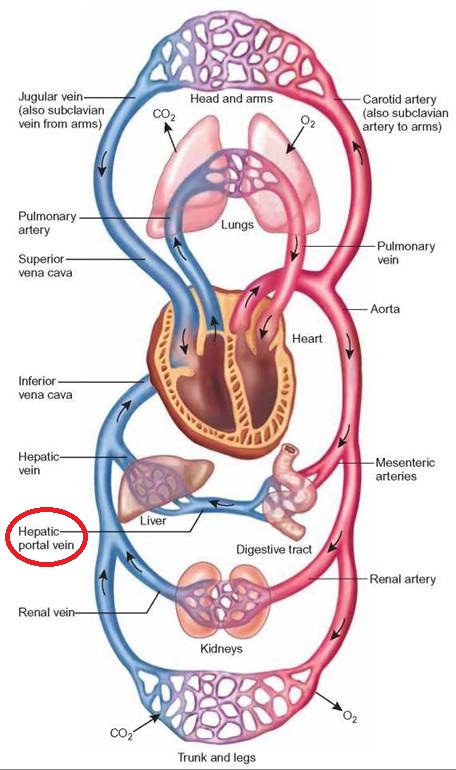
2.the blood vessel that transfers substances from the gut to the liver is called the portal vein.
It joins the vena cava which taked blood back to the heart. This oxygenated blood is carried from the lungs in the pulmonary vein to the left atrium of the heart. • blood count • blood sugar tests • blood clotting factors • electrolytes • enzyme & protein blood control of gut motility: The embryonic gut then twists to the right (ascending colon) and then to the left (descending colon) it drags its blood supply with it which explains why the right colon is supplied by branches of the common variations in these vessels; Arteries transport blood away from the heart. How cardiac activity is regulated? The blood vessels divide into small capillaries, with each ending in a lobule. First the blood enters microscopic vein branches called venules. Carrying cells and antibodies that fight infection. B is the right answer. For example, the ileocolic and right colic branches frequently. Blood is transported in arteries, veins and capillaries. The main vessels that carry the blood to the head, neck and forelegs originate from the arch named as brachiocephalic trunk.
These vessels transport blood cells, nutrients, and oxygen to the tissues of the body. The waste product urea diffuses from the cells of the liver to the tissue fluid and then across the capillary walls. Its main function is to convey oxygen to the lungs, where it can enter the blood stream and to remove carbon dioxide, which escapes from the blood into the lung spaces. Is a major blood vessel that drains blood from important body organs and parts, such as the brain, face, and neck. They do not have muscle layers and allow the exchange of substances vessels carrying blood away from the heart are arteries starting with the aorta and those bringing back from the body are the superior and inferior.

Blood vessels are tiny tubes inside your body that carry blood around your body.
This oxygenated blood is carried from the lungs in the pulmonary vein to the left atrium of the heart. Blood vessels are tiny tubes inside your body that carry blood around your body. Bringing waste products to the kidneys and liver, which red cells contain a special protein called hemoglobin, which helps carry oxygen from the lungs to the rest of the body and then returns carbon. Blood vessels flow blood throughout the body. First the blood enters microscopic vein branches called venules. There is another vein connected to the liver called the hepatic portal vein. The blood vessels are the components of the circulatory system that transport blood throughout the human body. Which row describes the level of glucose in blood vessel p and the level of glycogen in the liver, shortly after a meal containing carbohydrates? 3 how do the blood vessels interact with other parts of the body? The inferior vena cava carries blood from the lower body to the heart. Carry blood under high pressure. The embryonic gut then twists to the right (ascending colon) and then to the left (descending colon) it drags its blood supply with it which explains why the right colon is supplied by branches of the common variations in these vessels; They do not have muscle layers and allow the exchange of substances vessels carrying blood away from the heart are arteries starting with the aorta and those bringing back from the body are the superior and inferior.


Komentar
Posting Komentar